Metrics were defined with product and engineering before design began:
- KPI 1: Increase customer awareness of system status by 5%
- KPI 2: Increase arming rates by 2%
- KPI 3: Reach 50% feature adoption
- KPI 4: Average 8/10 usefulness score
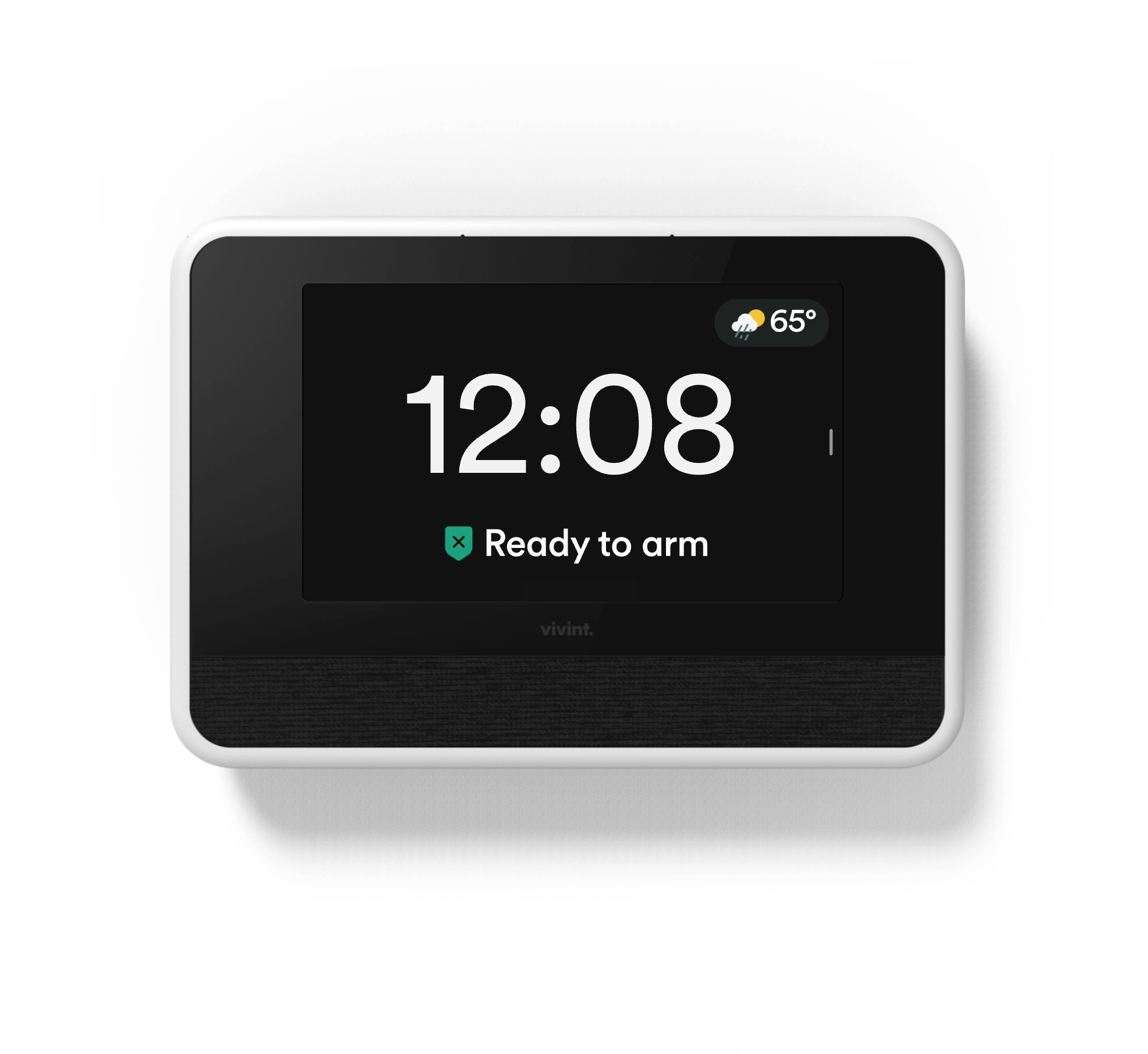
Bringing glanceable peace of mind to the smart-home display: time, weather, and security status readable from across the room.
Metrics were defined with product and engineering before design began:
Customers told us they get outsized value from glanceable experiences: the downcast light that signals armed state via color, full-screen video when the doorbell rings. By providing more glanceable information, we could deliver more value from the system and increase product satisfaction.
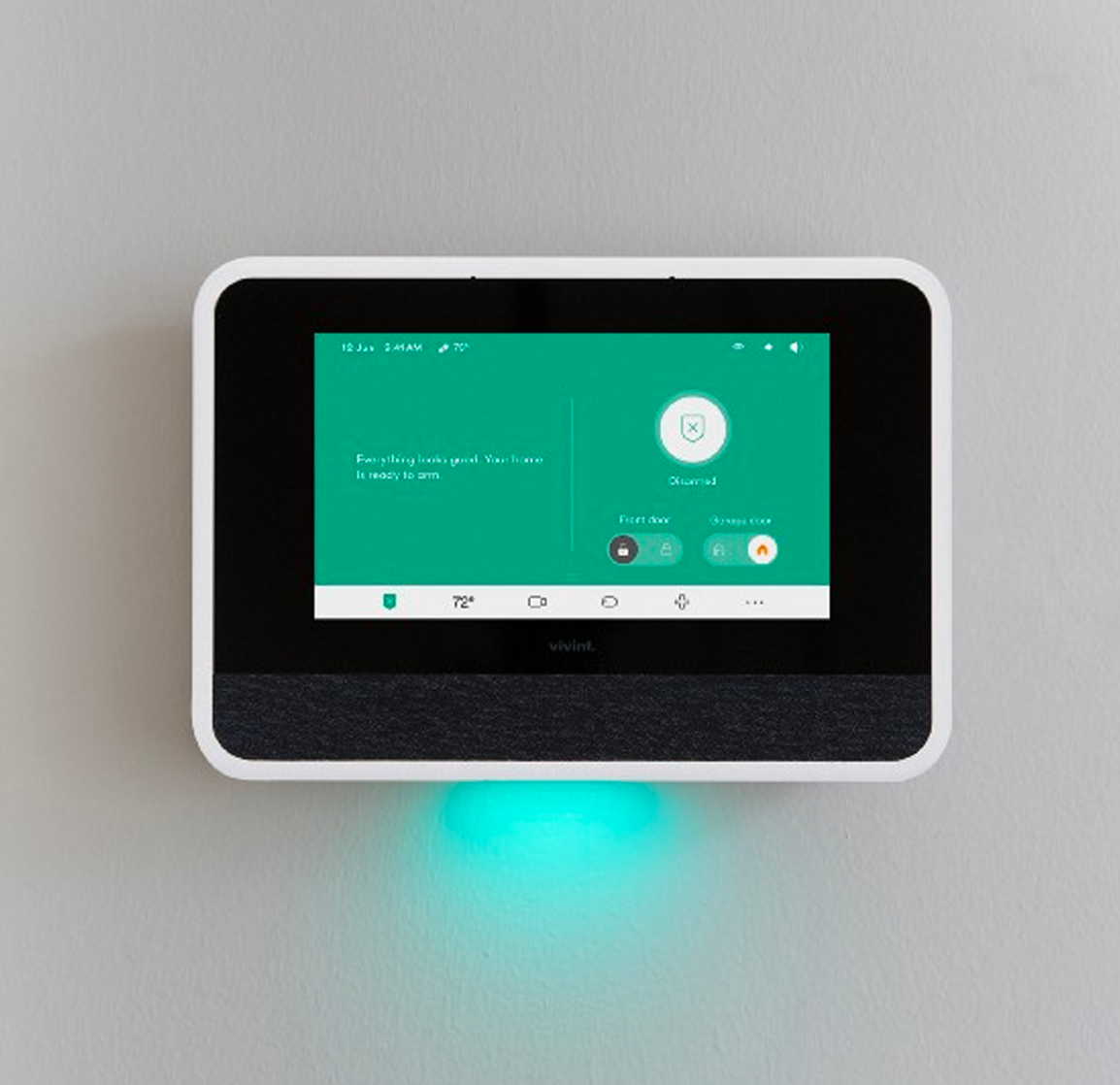
Improve the valued panel experience by displaying important information at a glance.
Create room for new features that unlock value and flexibility for all user types, and new usage metrics that help us understand them.
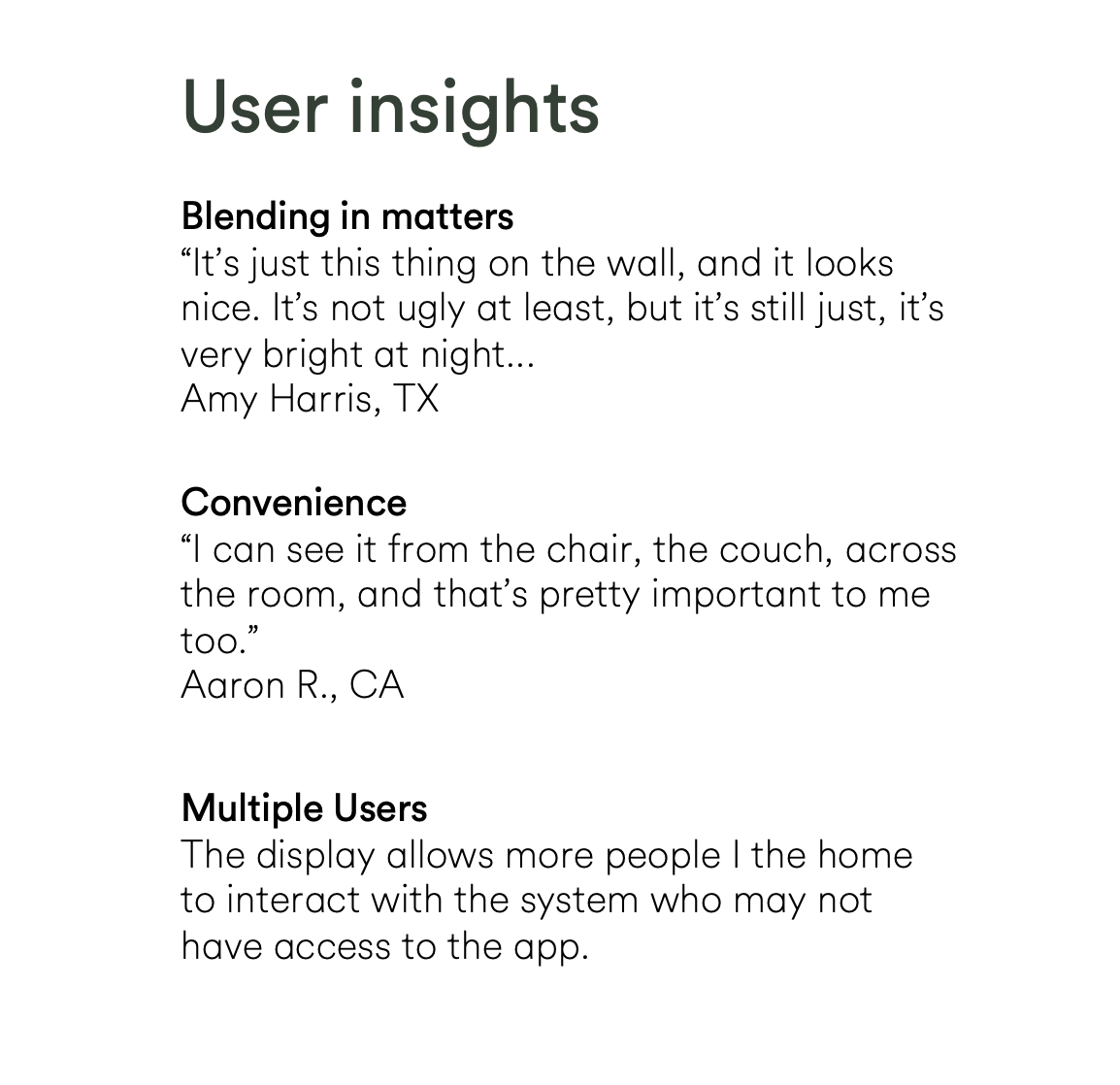
Complement the home environment through ambient light sensing and interfaces that blend in rather than intrude.
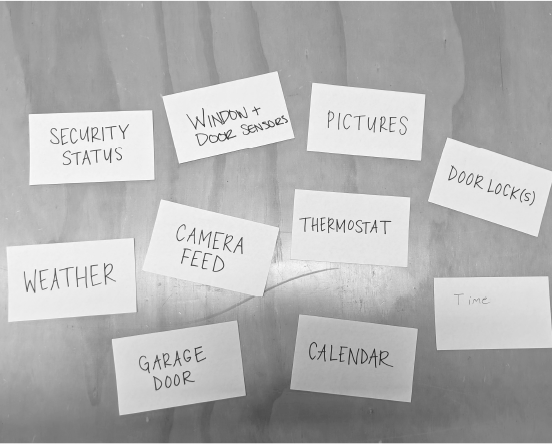
15 participants ranked information from most to least important. Security status ranked first, followed by door locks and camera feed. Sensors, garage door, and thermostat averaged fourth. 3 of 5 participants specifically expected to see time on the display.
I storyboarded concepts for glanceable information in the home (package detection, lurker events, who's entering, open doors and windows), then wireframed interactions including live event video and location-based presence.
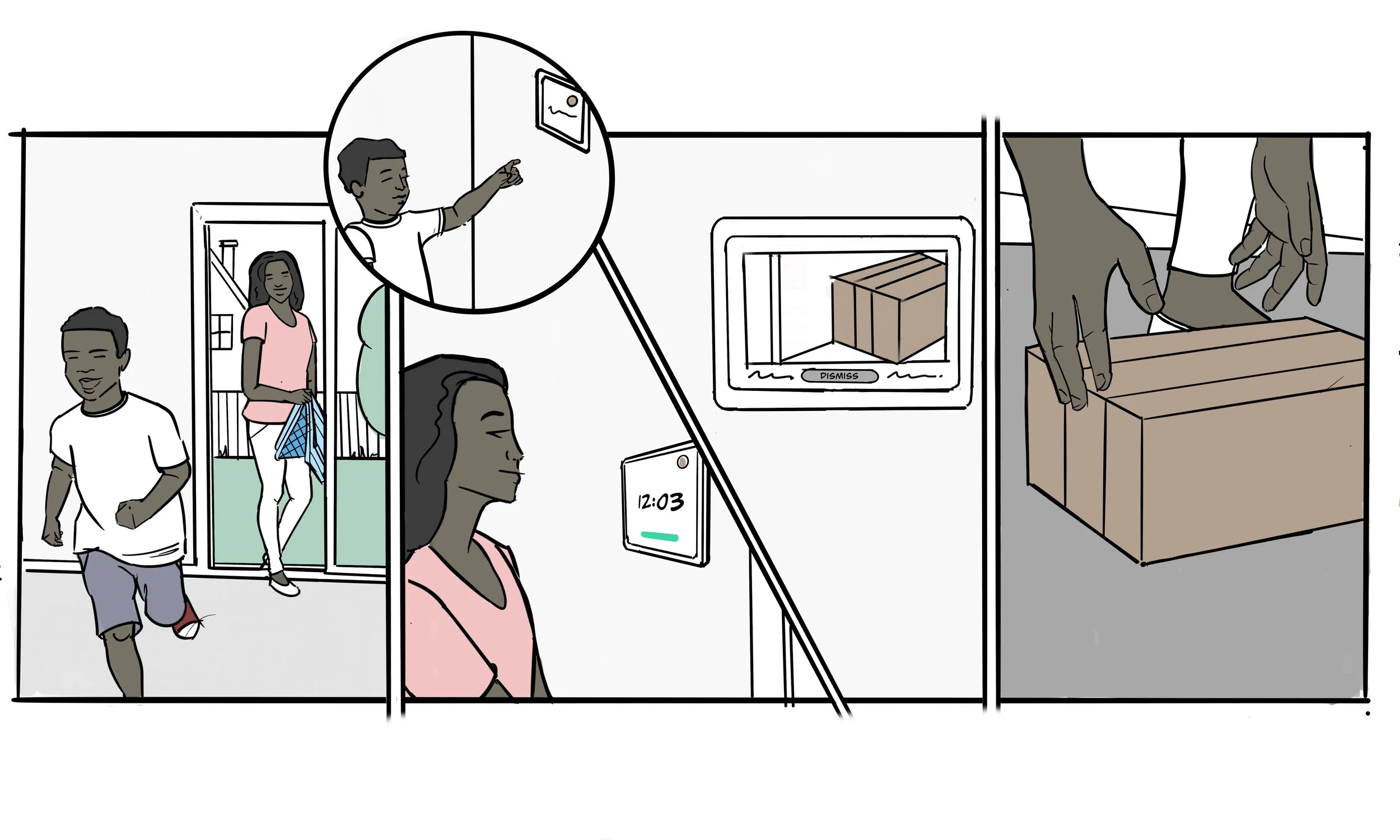
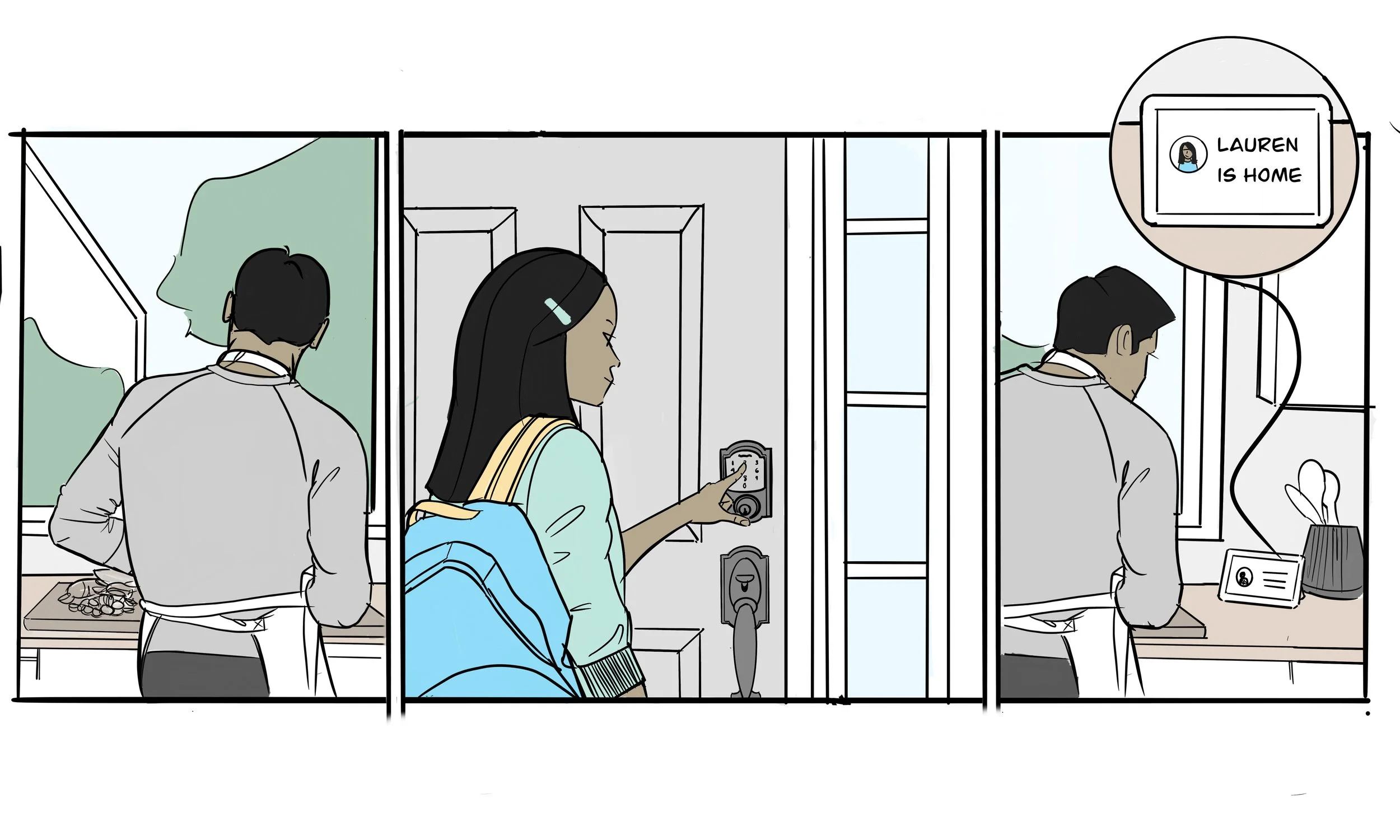
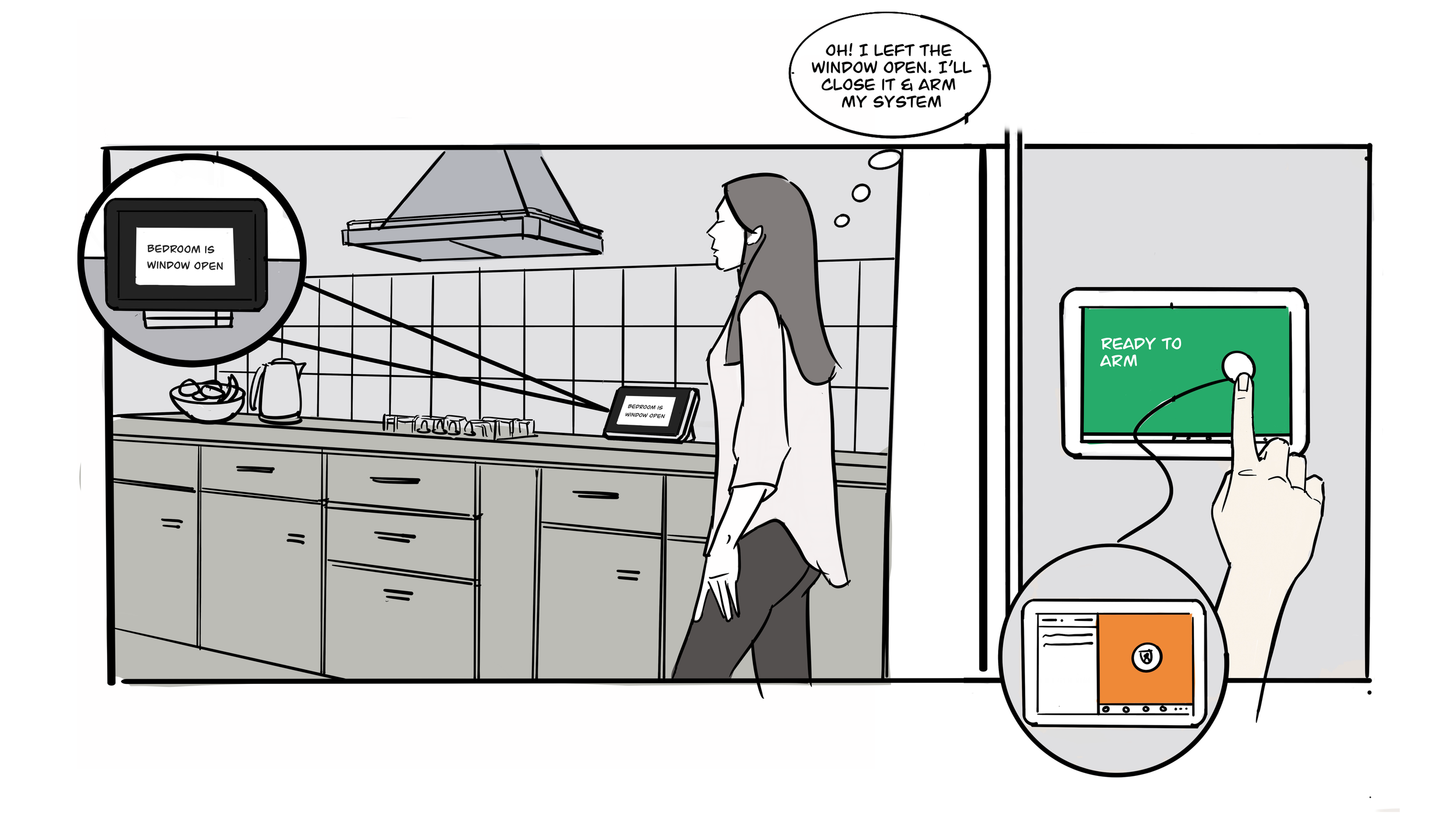
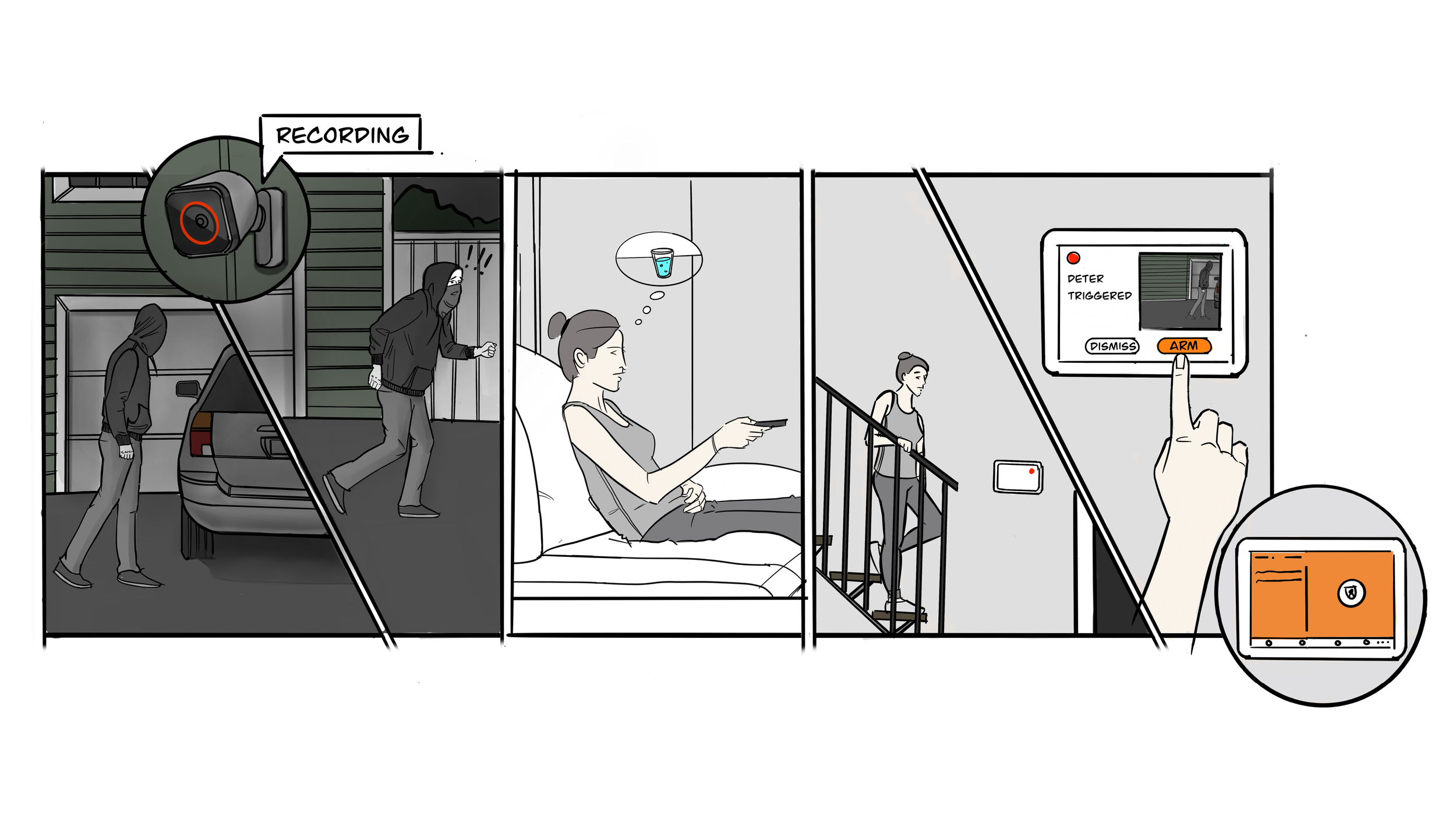
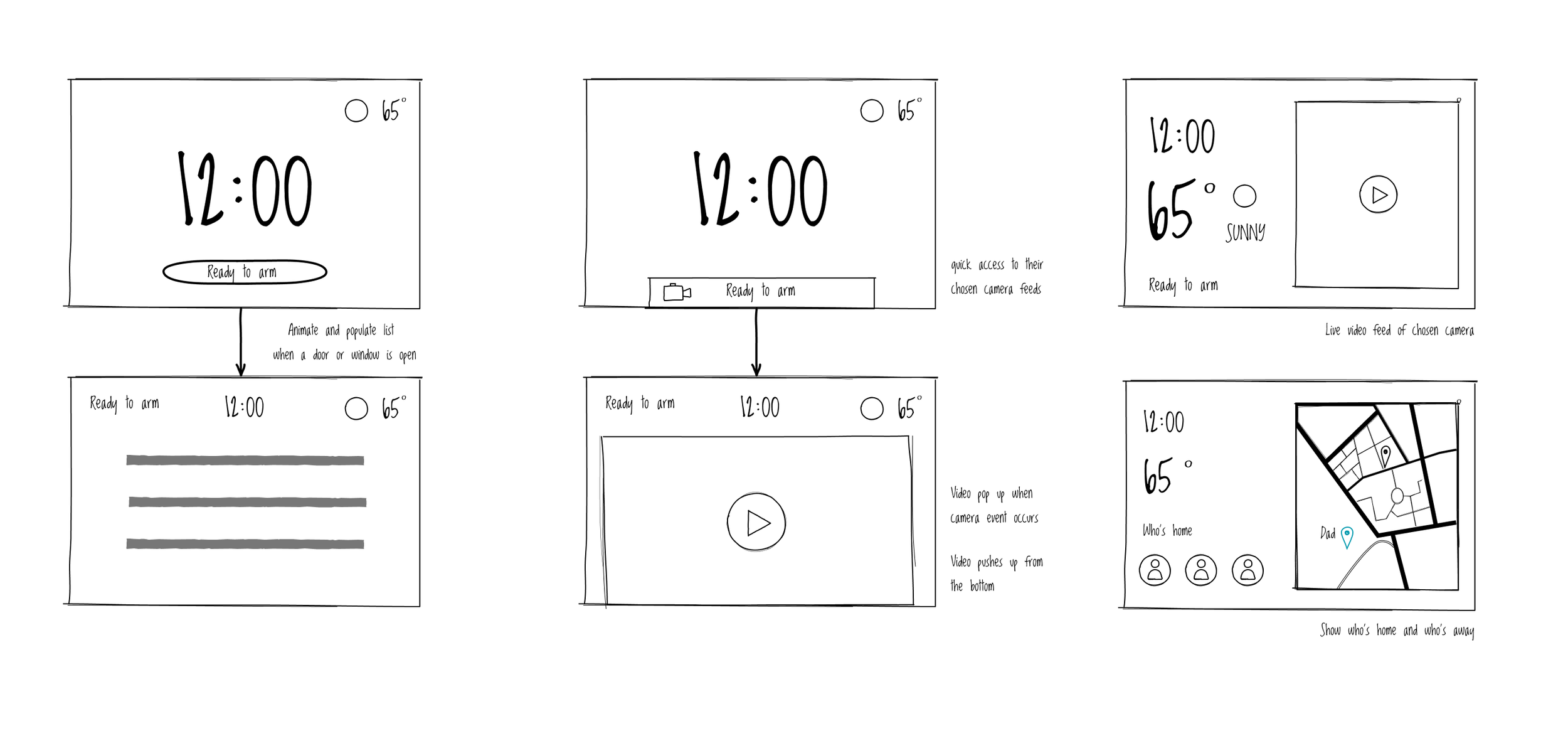
The MVP was narrowed to time, weather, and system status: armed state, alerts like low battery, and open doors or windows.
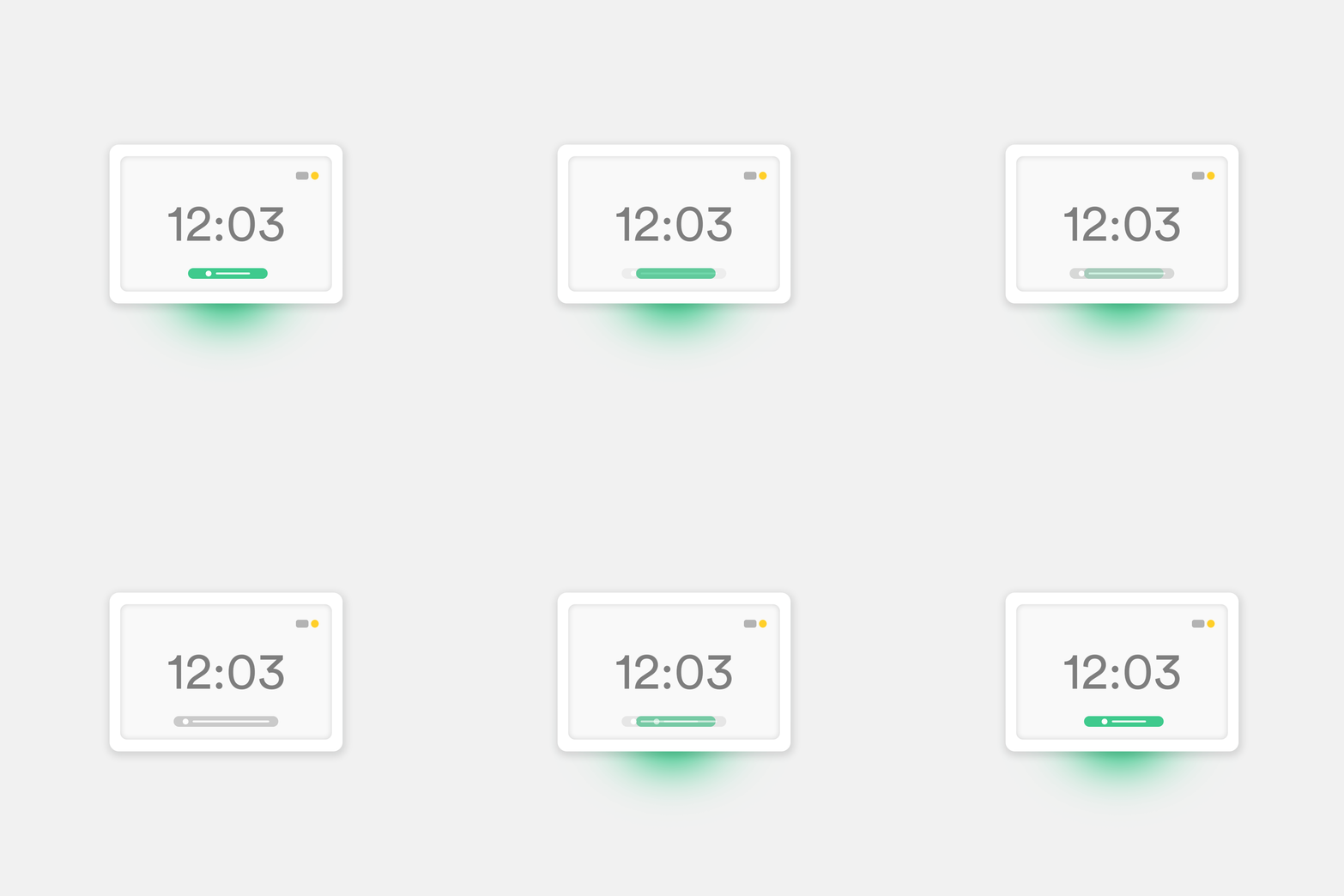
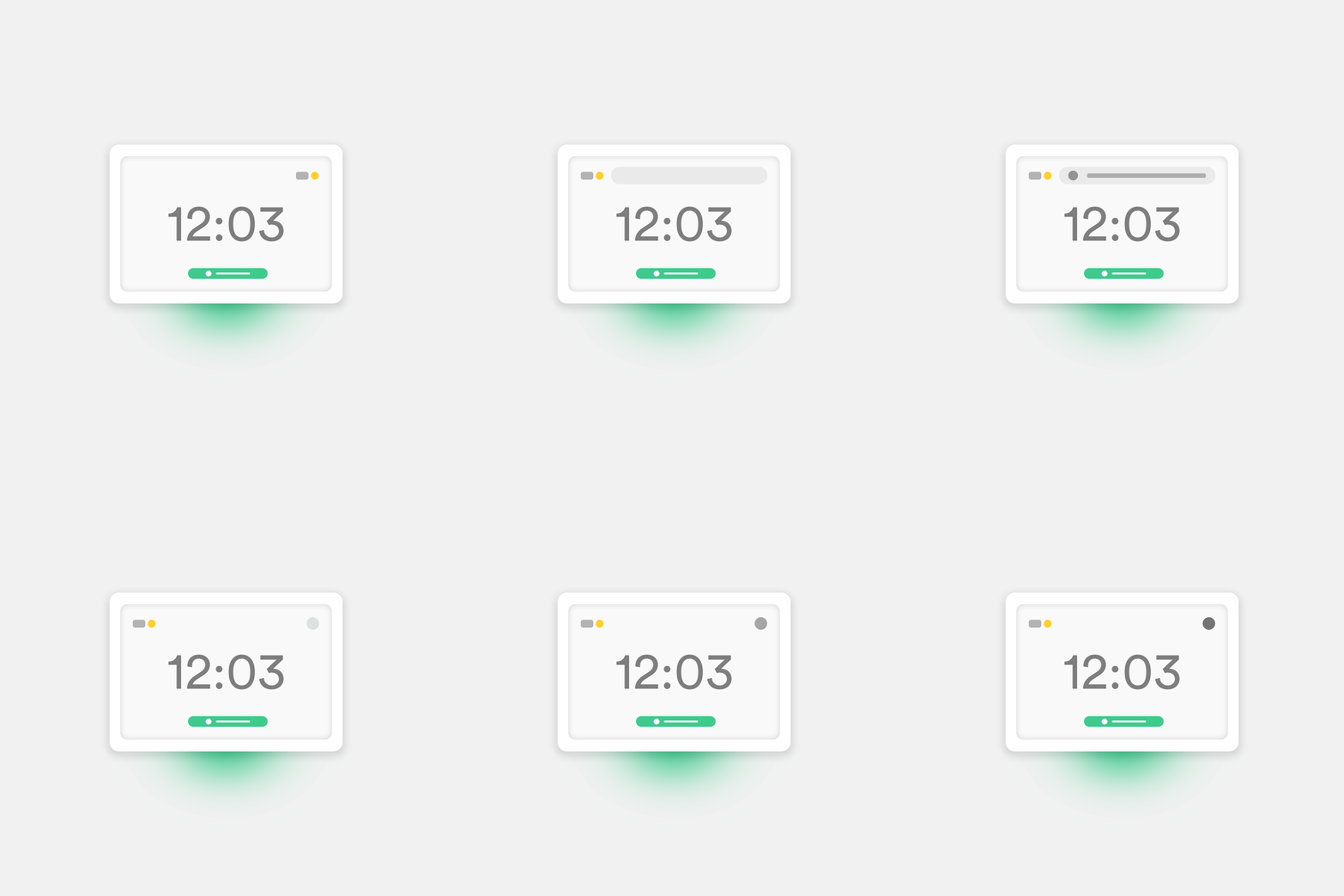
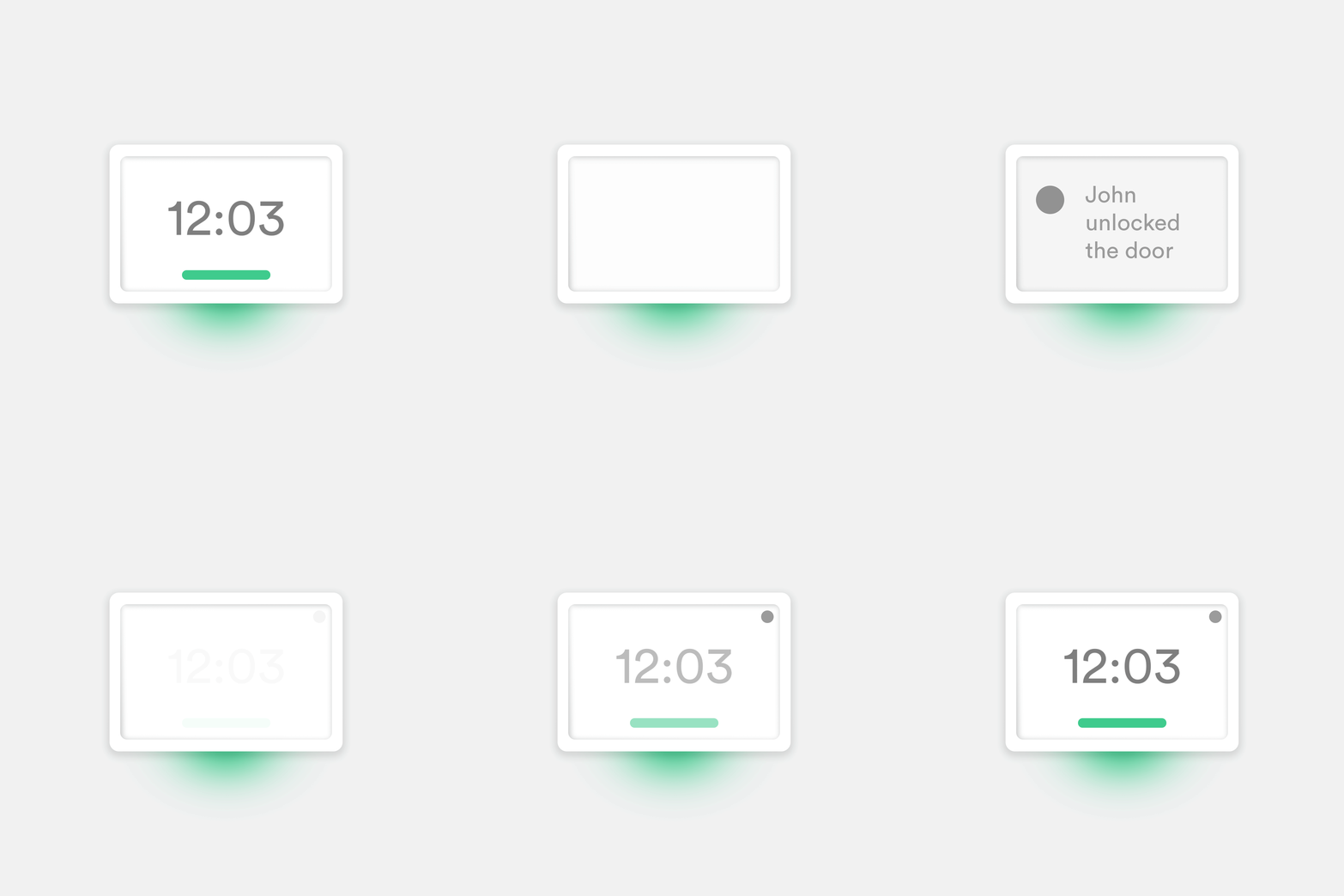
Information was optimized for viewing at a distance of 10 feet. A dark palette lets the UI blend seamlessly with the display hardware and reads as less intrusive in the home, directly serving the "belong in the home" goal.
Released to new Vivint customers, with rollout planned to the existing customer base.